The truth about smart meters

A few months moving home four years ago, I received an e-mail from my gas supplier, notifying me of an appointment for an engineer to install a smart meter on the next day. This was unsolicited, and I managed to stop this interference with my property rights. Over the following weeks I was offered an incentive for a smart meter – if I remember rightly, £150 off my gas bill. Occasionally I receive e-mails telling me that one or both of my energy meters is obsolete and in need of replacement, which I studiously ignore.
An acquaintance of mine (pseudonym Gary) has worked in a northern region of England in recent years, for a company that is fitting as many smart meters as it can, through a government-funded scheme.
A fully qualified gas engineer, Gary had previously worked on a heat pump trial as a trainee in Lancashire, and in his experience none of the residents who had received the device wanted to keep it. Many opted to be reconnected to their boiler, as they had been allowed to do as trial participants, because they were not getting the heat they needed to make their homes comfortable and to prevent the pervasive problem of damp. Machines have improved since then, however.
Heat pumps are pushed by Octopus Energy, a company led by Greg Jackson, which forged a partnership with Generation Investment Management (cofounded by celebrity climate alarmist Al Gore and global asset manager BlackRock).
Just as BlackRock has invested heavily in heat pump installation, so it underwrites the smart meter rollout in the UK. Smart meters are marketed to people as cost-savers – quite an incentive given the escalating cost of heating. But as Gary explained, this is disingenuous. Residents will save money only if they reduce their energy use, and that is the real purpose. Smart meters make it easier to impose Agenda 2030 and related curtailments to ordinary people’s consumption. Smart meters are designed for carbon footprint tracking.
Gary was not achieving targets as well as many of his colleagues were achieving. His outlook is expressed by his remark: ‘I’m an engineer, not a timeshare tout’. Performance indicators are focused on optimal number of smart meters fitted by each engineer, but Gary was aware that many customers had not really wanted a smart meter. Instead, they had been made to believe that they had no choice in the matter. Often Gary would remind people that they could decline, and go away leaving their old meters intact.
Under the Smart Metering Installation Code of Practice, customers must not be harassed into accepting a smart meter. Suppliers should act safely and professionally, and installation must have prior agreement of both parties. But in reality customers are put under pressure. If told that their old meter has outlived its usefulness, and they seek a replacement of the same type, the company claims to have nothing but smart meters available. According to Gary, one must make a great fuss to get a classic meter renewal. The customer may be expecting a smart meter to replace whichever meter was becoming defunct, only to find that both gas and electric meters were to be removed.
Ofgem, the energy regulator, prohibits suppliers from cutting a domestic energy supply, but smart meters enable customers to do this to themselves. If payments fall behind, and a series of letters or e-mails fails to resolve the rising debt, a smart meter can be switched remotely to ‘pay as you go’.
The majority of homes have now been fitted with a smart meter. All those new apartment blocks emerging on the skyline in every town and city – they all have smart metering from the outset. But demand is lower than expected, as a hardened minority of homeowners holds out. Companies are now making smart meter fitters redundant, as the taxpayer-funded scheme comes to an end.
Cross-metering has increased since smart meters were introduced. A home installation that is delayed due to inability to link the communication hub to the network could result in the device being erroneously fitted at another home, with billing to the wrong person. There are also concerns about electromagnetic radiation, with safe levels potentially exceeded in blocks of flats containing several smart meters. Gary speculates that smart meter health hazards could become like asbestos –risks suppressed for decades before intervention.
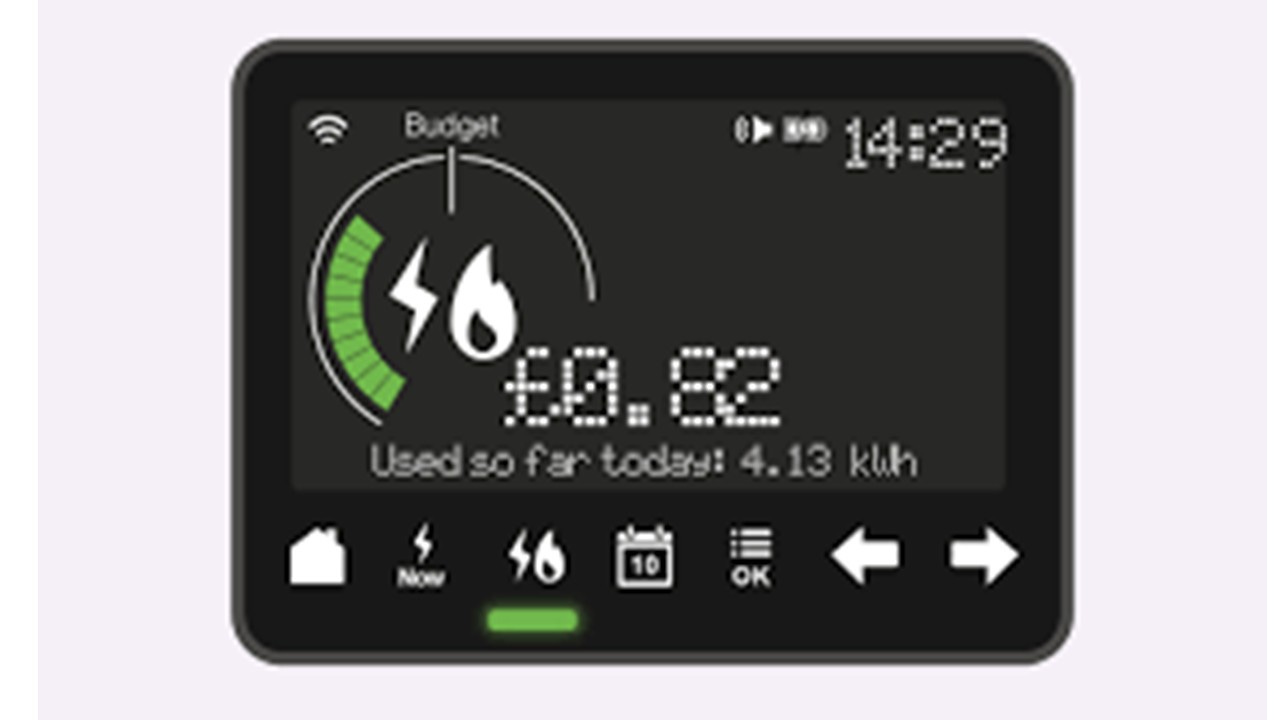
Smart meters are not for customers’ benefit but for the Great Reset project of total digital surveillance. Rationing will be readily applied should there be war or other major event that will give government licence to reduce the flow of electric current into your home. Gas is not so controllable, which is why heat pumps are replacing boilers.
Many engineers who talk to Gary are realising that smart meters – like heat pumps – are for ulterior motives. They are doing the dirty work for the elite, who of course will never feel the cold.
Like Niall, I ignored the harassment and kept my old meter for years until I moved house. Then no choice - new build, new connection and therefore imposed + buildings regs insist on a heat pump. Wondering about how to disconnect it and sell it once house signed off 🤔
With regret we got one in 2918 so I’m very reluctant to read this. Perhaps that’s how vaccinated people feel about reading vaccine injury stuff?